
How Men’s Body Image Affects Sexual Confidence: What Psychology Says
Research consistently shows that men’s body image significantly influences sexual confidence, sexual satisfaction, and overall sexual well-being. Men who experience dissatisfaction with their appearance – especially concerns about muscularity, body fat, or genital appearance – are more likely to experience sexual anxiety, reduced desire, and lower confidence during intimate situations. Recent psychological studies suggest that improving body image can positively impact both mental health and sexual relationships.
Quick Summary
| Key Takeaway | Explanation |
| Poor body image can reduce sexual confidence | Negative self-perception often leads to anxiety during intimacy. |
| Muscularity concerns are common | Many men feel pressure to achieve an unrealistic muscular ideal. |
| Sexual confidence is psychological as well as physical | Confidence depends on self-esteem, emotional security, and body acceptance. |
| Social media influences body dissatisfaction | Constant exposure to idealized physiques increases appearance-related comparisons. |
| Body image can be improved | Evidence-based psychological strategies help strengthen confidence and sexual well-being. |
What Is Male Body Image Confidence?
Male body image confidence refers to how positively a man perceives and feels about his physical appearance. It goes beyond attractiveness – it influences self-esteem, emotional health, relationships, and sexual confidence.
Body image is not simply about how a body looks. In psychology, it includes the thoughts, emotions, and beliefs a person has about their own appearance. A man with healthy body image confidence can recognize imperfections without allowing them to define his self-worth.
By contrast, men with negative body image often become overly focused on perceived flaws. These concerns may involve:
- Muscle size
- Body fat
- Height
- Hair loss
- Skin appearance
- Penis size
- Signs of aging
These worries may seem physical, but they frequently develop into psychological barriers that affect intimacy and sexual satisfaction.
Example
A man who regularly compares himself with fitness influencers may believe his body is “not masculine enough.” Even if his partner finds him attractive, these negative beliefs can make him feel anxious before or during sex.
Key Point
Body image is determined more by perception than objective appearance. Two men with similar physiques may have completely different levels of confidence.
How Does Body Image Affect Sexual Confidence?
Negative body image increases self-consciousness during intimacy, making it more difficult to feel relaxed, desirable, and sexually confident.
Sexual confidence depends on much more than physical function. It also requires feeling comfortable with one’s body. When a man constantly worries about how he looks, his attention shifts away from intimacy and toward self-monitoring.
Psychologists describe this as body self-consciousness during sexual activity, a pattern that can interfere with arousal, pleasure, and emotional connection.
Instead of enjoying the experience, a man may think:
- “Does my stomach look too big?”
- “Am I muscular enough?”
- “Is my partner judging my body?”
- “What if I don’t look attractive without clothes?”
This internal dialogue increases anxiety and reduces presence during intimacy.
Recent psychological research has linked greater concerns about muscularity with higher levels of sexual anxiety. Researchers suggest that pursuing unrealistic body ideals may unintentionally undermine sexual well-being rather than improve it.
How Negative Body Image Influences Sexual Well-Being
| Psychological Factor | Possible Effect on Sexual Confidence |
| Low self-esteem | Feeling less attractive |
| Body dissatisfaction | Avoiding intimacy |
| Appearance anxiety | Fear of being judged |
| Performance anxiety | Reduced confidence during sex |
| Constant comparison | Feeling “not good enough” |
| Shame | Lower relationship satisfaction |
Example
Imagine a man who spends years trying to build more muscle because he believes women only prefer highly muscular bodies. Even after achieving noticeable physical improvements, he may continue feeling inadequate because the underlying psychological beliefs remain unchanged.
This illustrates why improving body image is not simply about changing appearance – it also requires changing self-perception.
Remember
Sexual confidence comes from feeling accepted by yourself, not from achieving a “perfect” body.
Why Men Feel Insecure About Their Bodies
Cultural expectations, media exposure, social comparison, and unrealistic beauty standards all contribute to male body dissatisfaction.
For decades, body image discussions focused mainly on women. However, research now shows that body dissatisfaction is increasingly common among men.
Several factors contribute to this trend.
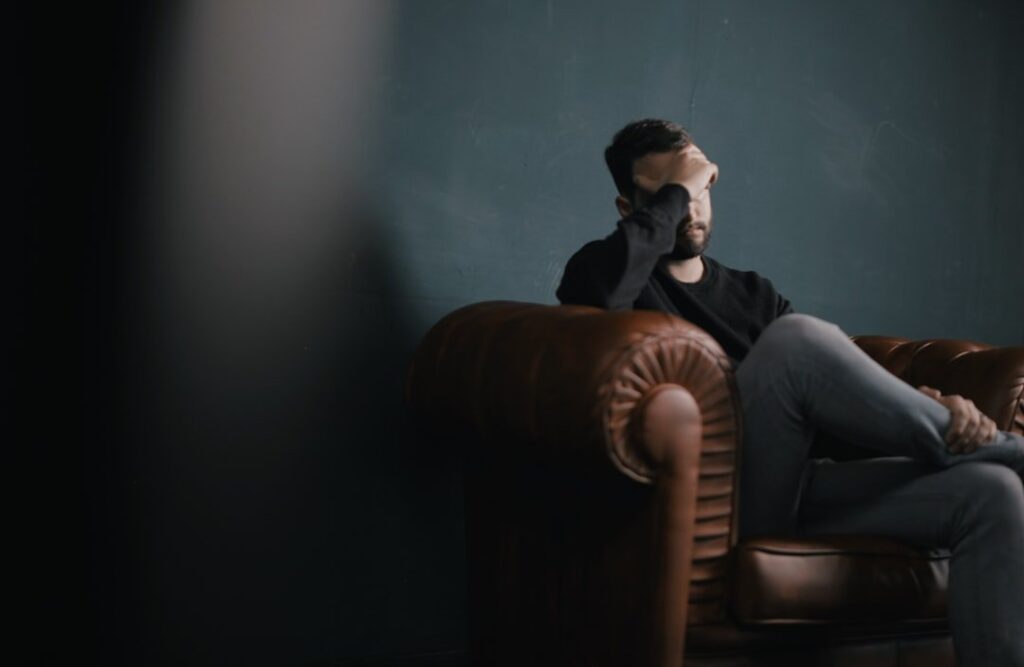
Social Media Promotes Unrealistic Standards
Platforms filled with edited photos, fitness influencers, and celebrity physiques create unrealistic expectations.
Many images involve:
- Professional lighting
- Strategic posing
- Photo editing
- Temporary muscle pumps
- Performance-enhancing drugs
- Selective presentation
Repeated exposure encourages upward comparison, making ordinary bodies seem inadequate.
Relationships and Fear of Rejection
Many men incorrectly assume that partners evaluate every physical detail.
In reality, relationship satisfaction is influenced far more by:
- Emotional intimacy
- Communication
- Trust
- Affection
- Mutual attraction
Nevertheless, fear of rejection often magnifies appearance concerns.
Common Sources of Male Body Image Anxiety
| Internal Factors | External Factors |
| Low self-esteem | Social media |
| Perfectionism | Celebrity culture |
| Previous rejection | Fitness marketing |
| Anxiety disorders | Peer comparison |
| Depression | Unrealistic beauty ideals |
Key Takeaway
Body image is not determined solely by physical appearance. It is shaped by the interaction between personal beliefs, psychological experiences, and cultural expectations. Addressing these underlying factors is often more effective than pursuing increasingly unrealistic physical ideals.
Reference
“Exploring the Relationships Between Body Image, Sexual Well-Being, and Community Connectedness among Gay, Bisexual and Queer+ Men” (The Journal of Sex Research, 2025).